Fast Production Speed Isn’t Always Best
Recently, an American brand approached me. Their previous supplier promised “15-day delivery.”
What happened?
Batch 1: Metal needle residue, customer complaints
Batch 2: Broken stitches, massive returns
Batch 3: Contract terminated
They asked me: “Why does such a fast factory have such poor quality?”
My answer was simple: “Because they were fast in places they should have been slow.”
In knitwear production, there are 3 areas where you should never rush:
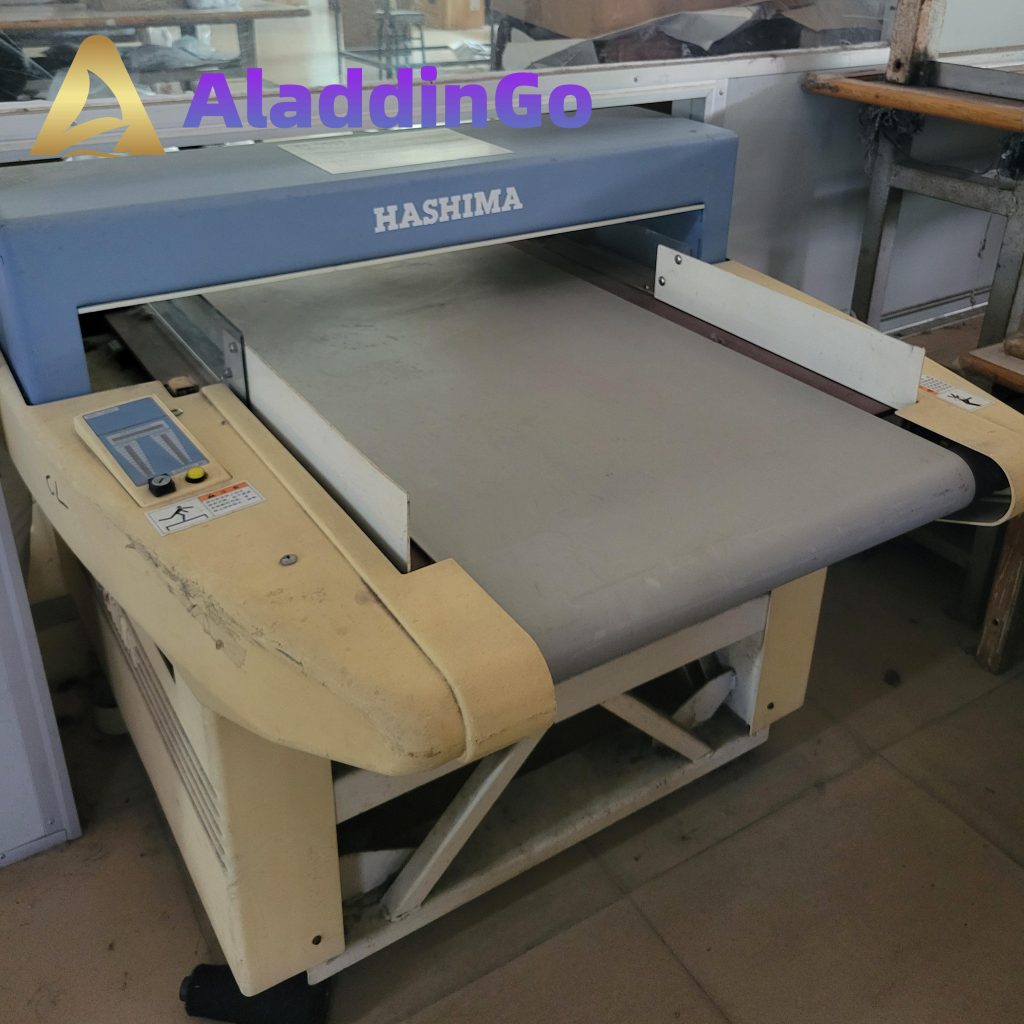
Needle Detection
This is the easiest step to “optimize” away.
A needle detector takes 30-60 seconds to scan one garment.
A factory producing 1,000 pieces daily needs 8-10 hours for full inspection.
Many factories “speed up” by:
X Skipping needle detection, packaging directly
X Only sampling 10-20%
X Using manual inspection instead of machines (human eyes fatigue)
Result: 300% increased risk of metal residue.
**Our approach:**
√ Every piece inspected, zero tolerance
√ Japan imported needle detectors, 0.8mm sensitivity
√ Double verification: machine + manual re-check
√ Record inspection data for each batch, fully traceable
Yarn Pre-treatment
Common mistakes by rush-order factories:
X No pre-shrinking, weaving directly
X No colorfastness testing, relying on experience
X Mixing yarn from different batches
Result: Inconsistent shrinkage, severe color differences.
Our standard process:
√ All yarn stored for 48 hours upon arrival
√ Shrinkage test for every batch
√ Colorfastness rating 4 or above
√ Batch management ensuring consistency
Finishing Processes
This is where most “corner-cutting” happens:
“Fast” factories:
Our “slow” approach:
Set timing strictly according to fabric characteristics
Use eco-friendly softeners for natural hand feel
Iron each piece individually for perfect shape
Real Case Comparison
Brand A (chose “fast” factory):
Delivery: 15 days
Cost: $8/piece
Result: 25% return rate, brand reputation damaged
Actual loss: $12,000 (goods value) + customer loss
Brand B (chose “right” factory):
How to Identify the “Right” Factory?
Ask these 4 questions:
“What’s your needle detection process?”
“How long does yarn pre-treatment take?”
“What finishing processes do you have?”
“Can you provide production process videos?”
My Advice
If you’re selecting a knitwear factory:
Don’t ask: “How fast can you deliver?”
Do ask: “What brand are your needle detectors? What’s the sensitivity?”
Don’t look at: Price on the quotation
Do look at: Completeness of quality control processes
Speed matters, but the right speed matters more.
A factory that knows when to “slow down” at critical points is a truly professional factory.